The Real History of the Cornish Pasty: A Culinary Deep Dive
Explore the rich history and variations of the Cornish pasty, from its origins with tin miners to modern recipes and cooking tips.
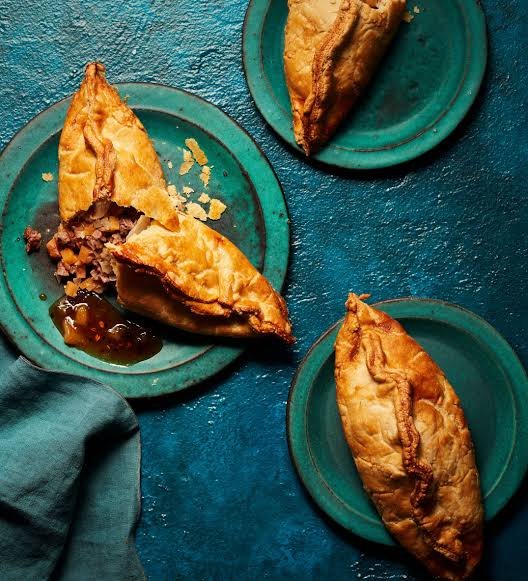
A gem from the BBC Archive from 1972 takes us right back to the roots of one of Britain's most iconic foods: the Cornish pasty. Whether you call it a pasty or an "oggie", this staple of the West Country has a rich history that goes far beyond modern supermarket shelves. Here at CelebrityChefs.co.uk, we love digging into the heritage of classic dishes, and this delightful retro footage offers a perfect glimpse into traditional Cornish cooking.
Born in the Tin Mines
While there are many tales about the origin of the pasty, the most widely accepted is that it was invented for the Cornish tin miners. Deep underground, the miners needed a substantial meal that was easy to transport. The pasty served as an edible lunchbox. The thick pastry crust allowed the men to hold their food with dirty, often contaminated hands, eat the rich filling inside, and simply discard the crust.
There are even local jokes that the thick pastry was designed as armour plating, allowing the pasties to be dropped down the mine shafts to the workers below without smashing!
The Kettle Boys and Pasty Initials
Before modern conveniences, young "kettle boys" worked in the mines. Their job was to warm the pasties and boil the kettles for the men at lunchtime. To ensure every miner got their own lunch, pasties were baked with the miner's initials carved into the pastry. It was a simple, practical solution that added a personal touch to a tough working day.
Beyond Beef and Potato
Today, we expect a traditional pasty to contain beef, potato, onion and swede. However, the 1972 footage reveals a much wider array of traditional fillings, particularly from areas like Boscastle. The variations included:
* Mutton and egg
* Leek and cream
* Turnip and cream
* New potato and cream
One of the most striking variations is the "stargazy pasty". Inspired by the local fishing industry, this was made with a whole pilchard threaded right through the pastry, with the head and tail sticking out at either end. Some locals even claim this fish-centric creation was the very first pasty.
Bakers also made sweet versions using "figgy pastry", which included currants, or filled the pasties with apple and treacle. Perhaps the most ingenious invention was the two-course pasty: meat at one end and sweet at the other, providing a full meal in a single pastry casing.
Food Festivals
Coming up in the UK and beyond


Making the Best Pasty at Home
If the archive footage has inspired you to try your hand at a proper West Country bake, there are a few golden rules to follow. A genuine Cornish pasty relies on simple, high-quality ingredients and raw preparation.
For the ultimate bake, keep these tips in mind:
- The Meat: Always use skirt steak. It has the perfect fat content to create a rich gravy inside the pastry. Never pre-cook the meat; it must go into the pastry raw to ensure the juices flavour the vegetables as it bakes.
- The Vegetables: A traditional filling consists only of potato, swede (often called turnip in Cornwall) and onion. Dice them finely to ensure they cook evenly alongside the raw beef.
- The Seasoning: Do not be shy with the salt and black pepper. It is the generous peppery kick that defines the authentic taste.
- The Pastry: A robust shortcrust or rough puff pastry is essential. It needs to be strong enough to hold the hefty filling without bursting or leaking juices.
- The Crimp: The "crinkling bit" is crucial. Whether you crimp on the side or over the top, ensure it is completely airtight. This locks in the steam, creating a pressure cooker effect that cooks the ingredients perfectly.
If you are a chef looking to master regional British classics, perfecting the Cornish pasty crimp is a rite of passage. It is the ultimate seal of quality for a dish that has kept Cornwall fed for generations.
Related posts