The Return of the Stew: One-Pot Comfort Food for Chilly Evenings
Explore the comforting world of stews, perfect for chilly evenings. Discover their affordability, convenience, and the joy of one-pot cooking, along with tips on making them your own.
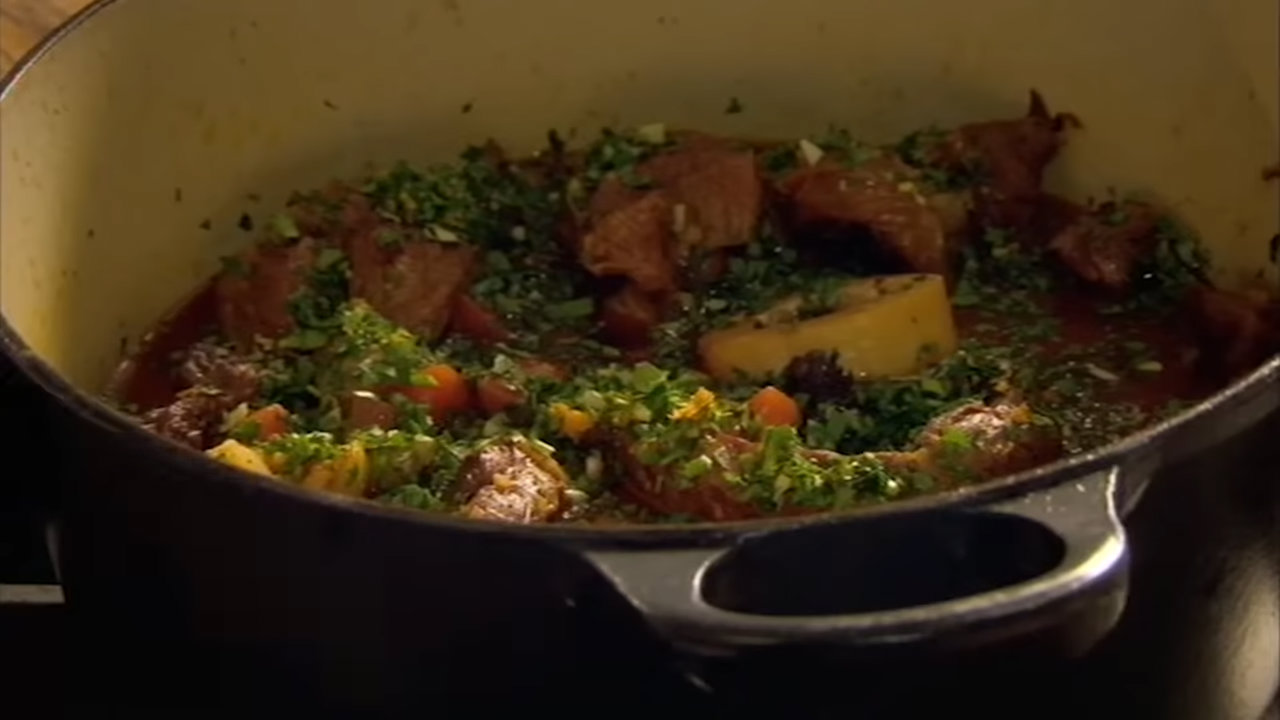
There is something about the first properly cold evening of autumn that changes the way we think about dinner.
The salads become less appealing. The barbecue is packed away. The lighter meals of summer suddenly seem a little less satisfying, and the desire for something hot, hearty and comforting takes over.
Enter the stew.
For generations, stews and casseroles have been among the great staples of British home cooking. They are affordable, adaptable and wonderfully forgiving. A few humble ingredients, a decent-sized pot and a little patience can produce a meal that feels far more luxurious than the individual ingredients might suggest.
And perhaps that is why the humble stew remains such a brilliant dish for autumn and winter.
WHY STEW MAKES SO MUCH SENSE
Part of the appeal is simple economics.
Stews are ideally suited to ingredients that reward slow cooking. Cheaper cuts of beef, lamb and pork can become tender and deeply flavoured when cooked gently for several hours, while root vegetables, pulses and beans can turn a relatively modest shopping basket into a substantial family meal.
It is also food that works brilliantly for batch cooking. Make a large pot on Sunday and there can be enough left for another dinner, a packed lunch or a freezer meal later in the week.
Then there is the washing up.
A traditional stew can be remarkably close to a genuine one-pot meal. Brown the meat, soften the onions and vegetables, add the stock, wine or other cooking liquid and let everything slowly cook together. Once it is bubbling away, there is very little for the cook to do.
That combination of affordability, convenience and comfort feels particularly appropriate when household budgets remain under pressure.
THE SLOW COOKER ADVANTAGE
The modern slow cooker has arguably made the stew even more relevant.
It takes the basic principle of the traditional casserole and makes it incredibly convenient. Ingredients can be prepared in the morning, placed in the cooker and left to gradually transform while you get on with work, errands or other jobs.
And there is something wonderfully satisfying about walking into the kitchen at the end of a cold day to discover that dinner has effectively cooked itself.
There can also be an energy advantage. The Energy Saving Trust estimates that cooking a 3.6kg homemade beef stew in a slow cooker costs around 34p in Great Britain, although actual costs vary according to the appliance, electricity prices and cooking time.
HOW MUCH DOES A SLOW COOKER COST TO RUN?
One of the attractions of slow cooking is that the appliance typically uses considerably less power than a conventional electric oven. The exact cost depends on the wattage of your slow cooker, how long you run it and your electricity tariff, but the difference can be significant.
SLOW COOKER
Around 34p
The Energy Saving Trust estimates that cooking a 3.6kg homemade beef stew in a slow cooker costs around 34p in Great Britain.
WHY IT MAKES SENSE
Slow cookers use relatively little electricity and are designed to cook food gently over several hours. They can therefore be a particularly economical option for stews, casseroles and other dishes that benefit from long cooking times.
Worth remembering: the 34p figure is an estimate rather than a fixed price. Your actual cost will depend on your appliance, cooking time and electricity tariff.
For an accurate comparison, check the wattage printed on your slow cooker and multiply it by the number of hours you use it. This gives you a much better indication of what your particular appliance costs to run.
STEW DOESN'T HAVE TO MEAN BEEF
Perhaps the biggest change in modern stew culture is how far beyond the traditional British casserole the dish has travelled.
Beef and ale will always have its place. So will Lancashire hotpot, Irish stew and chicken casserole. But today's one-pot cooking can take inspiration from almost anywhere.
Think Moroccan tagines packed with warming spices, French daubes cooked slowly with wine, Hungarian goulash, Indian vegetable and lentil stews, Italian bean dishes or rich Caribbean pots.
Fish can work too, creating something considerably lighter while retaining the essential appeal of a one-pot dinner. Seafood stews and soups bring tomatoes, herbs, saffron, chilli and fresh fish together in ways that feel comforting without becoming overly heavy.
The basic formula remains remarkably simple: good ingredients, a flavourful cooking liquid and enough time for everything to come together.
GIZZI ERSKINE: TAKING TIME OVER FOOD
British chef and food writer Gizzi Erskine explored the pleasures of slow cooking in her 2018 cookbook Slow: Food Worth Taking Time Over.
The book is built around the idea that some of the best food takes time. Among the recipes are slow-cooked dishes including Lamb Hotpot and Oxtail Stewed with Wine and Beer.
It is an approach that feels particularly appropriate when autumn arrives. Modern cooking is often associated with speed: 15-minute meals, air fryers, microwaves and recipes promising dinner in under half an hour.
There is absolutely nothing wrong with that.
But sometimes the opposite approach is exactly what you want.
A stew asks you to slow down. It rewards preparation rather than rushing. It turns time into an ingredient. And unlike many complicated recipes, it does not demand constant attention.
GORDON RAMSAY'S APPROACH TO SLOW-COOKED BEEF
Gordon Ramsay takes a slightly more chef-driven approach to the humble slow-cooked dish, showing just how much flavour can be extracted from an inexpensive cut when it is treated properly.
In his Perfect Slow-Cooked Beef recipe, Ramsay uses beef shin and makes use of the marrow to create a rich gravy. The recipe is a good demonstration of one of the fundamental principles behind successful stews: tougher cuts of meat can become exceptionally tender when given enough time.
It is also a useful reminder that great slow cooking does not mean throwing everything into a pot and forgetting about it. Building flavour at the beginning, particularly by properly browning meat and developing the base of the dish, can make a substantial difference to the finished result.
THE GREAT BRITISH CASSEROLE
British cooks have never really abandoned the casserole, of course.
Mary Berry has spent decades championing straightforward, dependable home cooking, with casseroles and one-pot dishes appearing throughout her extensive collection of cookbooks.
Her approach is particularly suited to the home cook. Simple ingredients, clear instructions and reliable results are at the heart of her cooking, and her recipes include everything from traditional casseroles to more modern one-pot dishes.
That simplicity is a big part of the casserole's enduring appeal.
You don't need restaurant equipment. You don't need specialist ingredients. You don't even necessarily need a complicated recipe.
A casserole dish, some onions, vegetables, stock and whatever meat, beans or pulses you have available can provide the foundations. From there, the cook can take it in almost any direction.
FROM THE PUB TO THE KITCHEN TABLE
There is another reason stews feel particularly suited to autumn and winter: they are social food.
A big pot in the middle of the table encourages people to help themselves. Add some crusty bread, mashed potatoes, dumplings or rice and suddenly a relatively inexpensive dish becomes a proper occasion.
It is the same reason stews work so well in pub kitchens.
A good beef and ale stew, sausage casserole or chicken hotpot feels substantial without being fussy. It is food designed to be eaten rather than photographed.
And that may be part of the reason the stew continues to survive every culinary trend thrown at it.
MAKE IT YOUR OWN
The beauty of a stew is that there are very few hard rules.
Want to make it cheaper? Replace some of the meat with beans or lentils.
Want more vegetables? Add carrots, mushrooms, squash, leeks or root vegetables.
Want more spice? Try smoked paprika, cumin, chilli, ras el hanout or garam masala.
Want something richer? Add red wine, dark ale or a spoonful of tomato purée.
Want a lighter version? Use chicken, white beans, seasonal vegetables or fish.
And if you have leftovers, don't regard them as a problem. Stews are one of those rare dishes that can taste even better the following day, once the flavours have had more time to mingle.
THE ULTIMATE CHILLY-EVENING DINNER
Perhaps the real return of the stew isn't a culinary trend at all.
It is simply a reminder that some of the best food doesn't need to be complicated.
As the evenings draw in and the temperature drops, there is something reassuring about putting a heavy pot on the hob or switching on the slow cooker and knowing that, several hours later, dinner will be waiting.
A good stew is economical without feeling cheap, comforting without being boring and practical without sacrificing flavour.
So this autumn, embrace the one-pot dinner.
Find a sturdy casserole dish. Dust off the slow cooker. Pick up some inexpensive seasonal vegetables, a good piece of meat or a few tins of beans, and give everything plenty of time.
Then serve it with a loaf of crusty bread, a generous spoonful of mashed potato or a batch of dumplings.
Because when the wind is rattling the windows and darkness arrives before dinner, few things beat a steaming bowl of stew.
WATCH: GORDON RAMSAY'S PERFECT SLOW-COOKED BEEF
Gordon Ramsay
Explore our profile of Gordon Ramsay, including their television career, recipes and place in British food history.
View Gordon RamsayRelated posts